Engine Bay Dry Ice Cleaning
Restore your engine bay to a factory-finish look — without water, chemicals, or tear-down.
Restore your engine bay to a factory-finish look — without water, chemicals, or tear-down.
Years of grease, dust, oil mist and road grime build up across hoses, looms, plenums and the chassis rails. Traditional methods force a compromise: pressure-washing risks pushing water into electrical connectors and ECU plugs; degreasers leave a film that traps new dirt; tear-down for hand cleaning costs hours of labour. Dry ice blasting removes contamination from a cold engine bay in a single pass — pellets sublimate on contact, lifting grime away without leaving moisture, residue or abrasive media behind.
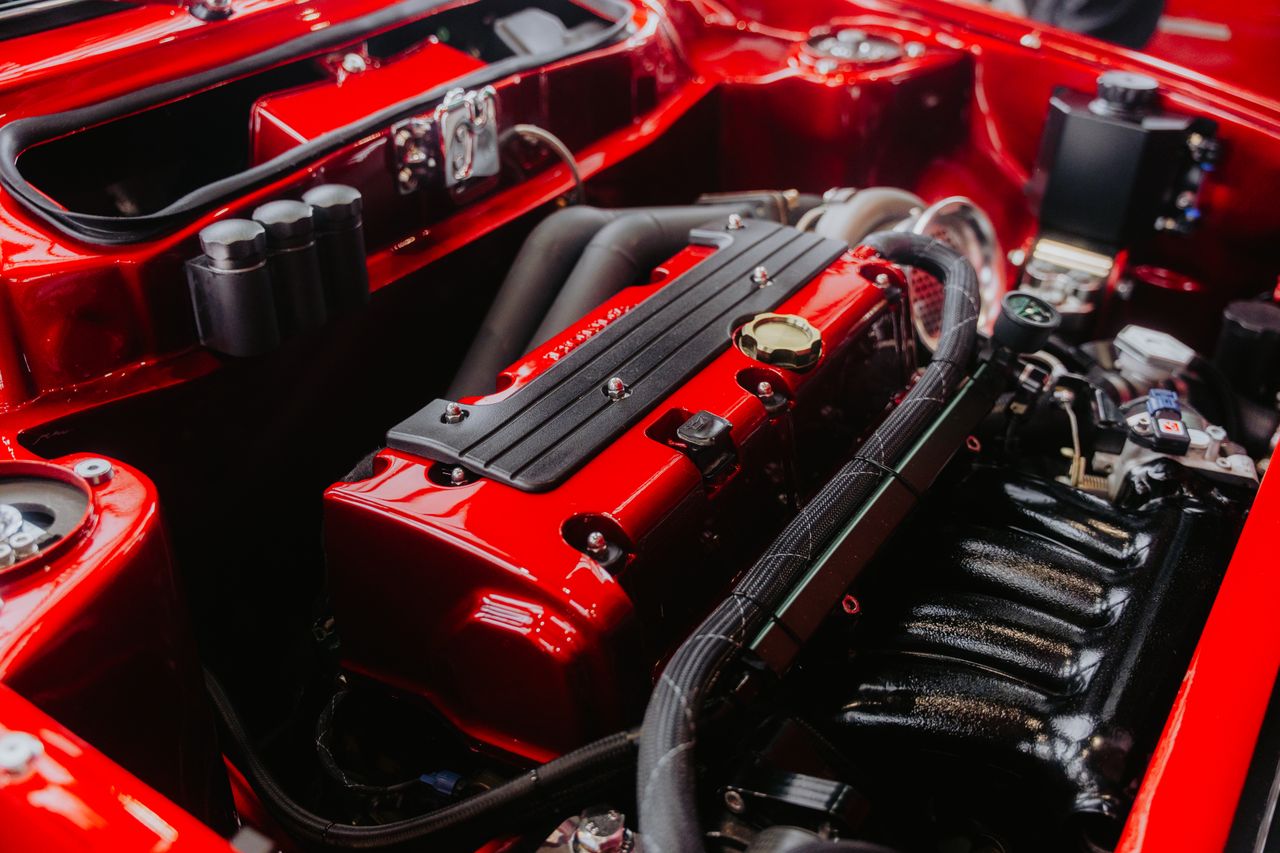
Stock imagery for now — we'll replace with own-job photography as we deliver work through 2026.
What you can expect
- Pre-sale presentation for private sellers and dealers
- Concours and car show preparation
- Pre-purchase inspection clean-ups
- Post-incident inspection (oil leak, coolant spray)
- Performance build photoshoots
- Restoration-grade cleaning for classics
Why dry ice for engine bay cleaning
Zero water in the bay
CO₂ pellets sublimate on impact. Nothing pools in connectors, looms or sensor housings.
No chemicals, no residue
No degreaser to flash off, no soap to rinse, no streaking on plastics or alloy.
Non-abrasive on every surface
Safe on plastic loom covers, painted plenums, alloy castings, hoses, decals and labels.
Faster than tear-down detailing
A typical engine bay takes 2–4 hours instead of a full day of disassembly and hand cleaning.
Concours-grade finish
Original factory textures, decals and serial markings remain visible — perfect for shows and pre-sale presentation.
How a typical engine bay cleaning job runs
- 1
Pre-inspection
We mask sensitive sensors and air-intakes, photograph the bay, and identify decals or markings to preserve.
- 2
Pellet blast
Compressed-air dry ice pellets are blasted at the contamination. Pellets sublimate to gas; grime falls away dry.
- 3
Vacuum & detail
Loose debris is vacuumed; we hand-detail polished surfaces and apply protectant where requested.
- 4
Final walk-through
You inspect the bay before and after photos go to your customer file or insurance record.
Surfaces & limits
Where this service works well — and the situations we'll flag for repair instead of cleaning.
- Petrol & diesel engine bays
- Hybrid engine compartments
- Plastic loom covers
- Alloy castings
- Painted plenums
- Rubber hoses & wiring
- Already-soaked bays (we ask you let it dry first)
- Loose / damaged decals (these need replacement, not cleaning)
Typical price for engine bay cleaning
Engine bay, undercarriage, single-vehicle work.
Final price depends on condition, scope and travel. Use the quote form for a postcode-specific estimate.
Get exact estimateService-specific FAQs
Is dry ice safe for the engine?
Yes. The engine must be cool to the touch before we start. Dry ice pellets are non-conductive and non-abrasive. We mask sensitive sensors and intakes as a standard precaution.
Will it damage decals or factory markings?
No — we adjust pellet pressure for delicate areas. Original factory decals, VIN plates and warning labels remain visible. We pre-photograph any markings as a record.
How long does an engine bay take?
Most engine bays take 2–4 hours. Concours-grade work on heavily soiled or complex bays can run longer; we’ll quote a fixed price after inspection.
What does it cost?
Most passenger-vehicle engine bays sit between $480 and $950 depending on contamination, vehicle complexity and travel. Use our quote form for a postcode-specific estimate.
Do I need to drop the car off?
In most metro areas we come to you (workshop, driveway or detailing studio). Some specialty work is best done at a partner workshop with extraction.
Will the engine still need polishing afterwards?
Dry ice removes grime — it doesn’t add gloss. Most customers add a hand polish on alloy or plastic dressing on covers; we offer this as an add-on.
Does dry ice damage the aluminium or paint?
No. The pellets are softer than the surfaces and sublimate before they can cause abrasion. Painted finishes, anodised alloy and polished surfaces are unaffected.
How is this better than steam or pressure washing?
Steam and pressure washing introduce water into electrical connectors, looms and trapped corners. Dry ice doesn’t. There’s nothing to dry, no flashing, and no risk of moisture-related faults later.
Related services
Undercarriage Cleaning
Strip off years of road tar, oil and underbody grime without lifting the body.
Wheels & Wheel Wells
Brake dust, tar and stubborn grime — gone, without acid or harsh wheel cleaners.
Full-Vehicle Restoration
A complete dry ice clean of the engine, underbody, body cavities and interior — restoration-grade.
Ready for a engine bay cleaning quote?
Send a brief for an instant range, or send us a quick brief and we'll come back within 24 hours with a fixed quote.
Or talk to us directly
- 02 5302 6367
- office@dryiceblasters.com.au
- Mon–Fri 7am–6pm · Sat 8am–2pm · Sun by appointment