1968 Mustang Engine Bay — Concours-Grade Restoration
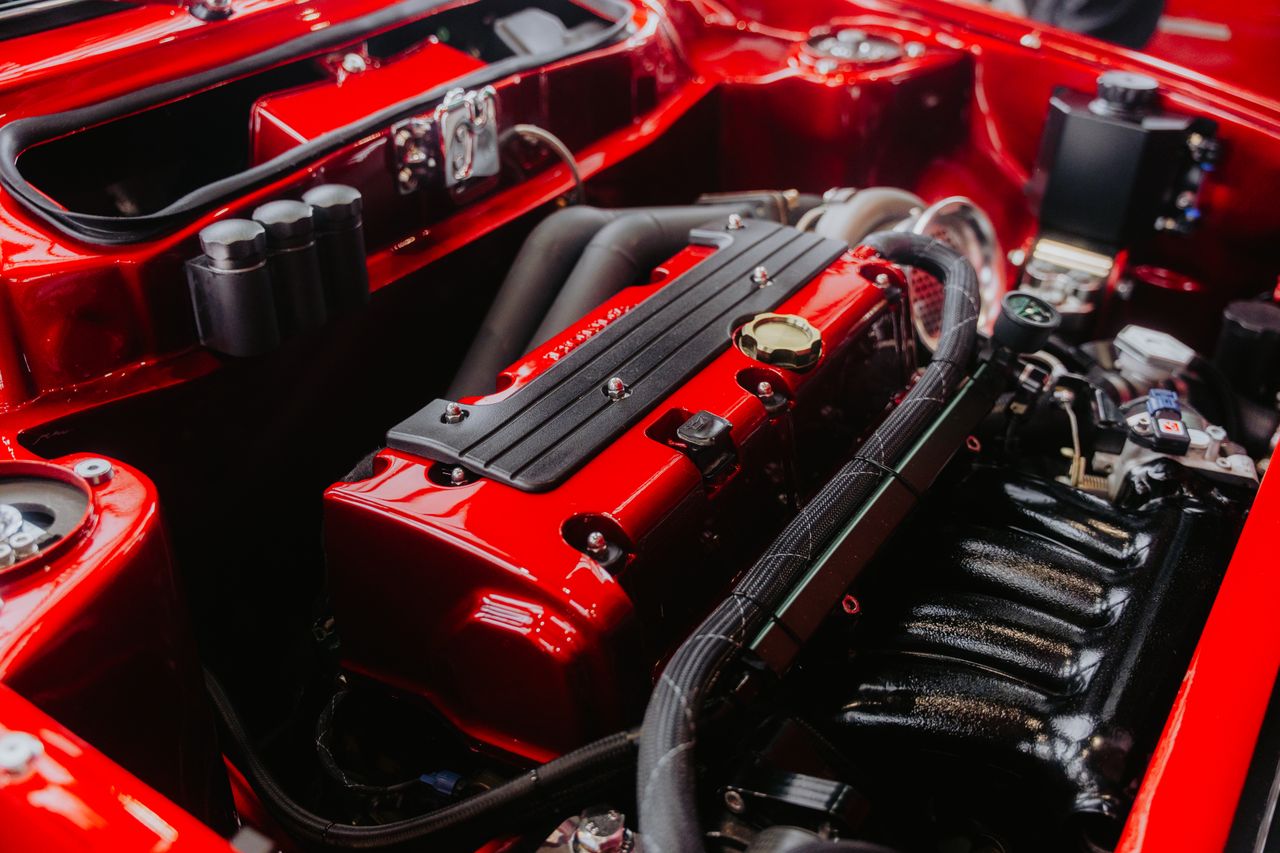
A 1968 Ford Mustang fastback engine bay returned to original-condition presentation without disturbing factory paint codes, period decals or VIN markings.
A 1968 Ford Mustang fastback engine bay returned to original-condition presentation without disturbing factory paint codes, period decals or VIN markings.
The brief
A typical concours-grade engine bay brief in this category: a numbers-matching 1968 Mustang Fastback, fifteen years in dry storage, a layer of dried oil mist coating the factory paint, original Ford build tags, period-correct decals and the original 289 Windsor still in place. Three weeks to get the bay presentable for a concours show without disturbing any of the original markings. A repaint is off the table. So is traditional detailing — chemical degreasers are a non-starter near original decals.
The challenge
There are three things we preserve in this category of work:
- The factory paint code stamping on the firewall — typically worn but legible.
- The original VECI sticker (Vehicle Emission Control Information label) on the radiator support — period decals on classic Mustangs are increasingly hard to source as reproductions.
- The ‘Powered by Ford’ decal on the air cleaner — original, often with light surface oxidation but otherwise clean.
Pressure-washing lifts the decals and forces water into the points distributor and original wiring loom. Sandblasting is obviously out. Chemical cleaning stains the decals and can etch original paint.
The work
A bay like this runs over a single day. The job opens with comprehensive photography — every decal, every casting number, every weld stamp documented before any pellets fly. Masking goes around the carburettor air intake, the points distributor, the original fuel pump and the period vacuum lines.
The blast pattern steps progressively across the bay, starting with the chassis rails (low priority, no decals) and moving toward the firewall and air cleaner. Pressure stays low (around 80 PSI) for the decal areas, with a 25-degree nozzle to spread the impact and prevent any concentrated point pressure.
Original Ford blue Inca / Black Jade paint comes up clean. Decals stay intact — often slightly clearer than before, because the surface oxidation was carrying the dirt rather than the printing itself. The VECI sticker comes up like new.
The result
Five hours, around 32kg of dry ice, and a bay that photographs as if it had just rolled off the Dearborn line. The original markings remain visible and in original condition. No paint disturbed, no rubber dried out, no electrical issues post-cleaning. A full photo log gets handed over for the car file — useful for resale provenance and concours-class documentation.
Want similar work for your project?
Tell us what you need cleaned. We come back with a fixed quote within 24 hours — and an exact estimate range while you wait.
Or talk to us directly
- 02 5302 6367
- office@dryiceblasters.com.au
- Mon–Fri 7am–6pm · Sat 8am–2pm · Sun by appointment
About this scenario. Dry Ice Blasters launched in 2026. This piece illustrates how a typical engine bay cleaning job runs — drawn from industry-standard work patterns, our team's prior operator experience and equipment specs. Process, scope and outcomes reflect what you can expect when you book us. Be our first published customer and we'll document your job with permission.