?
Are factory paint codes, build tags, or period decals present and worth preserving?
For the owner who won't accept water in the loom, scratches in the alloy, or lifted decals. We don't ruin original cars.
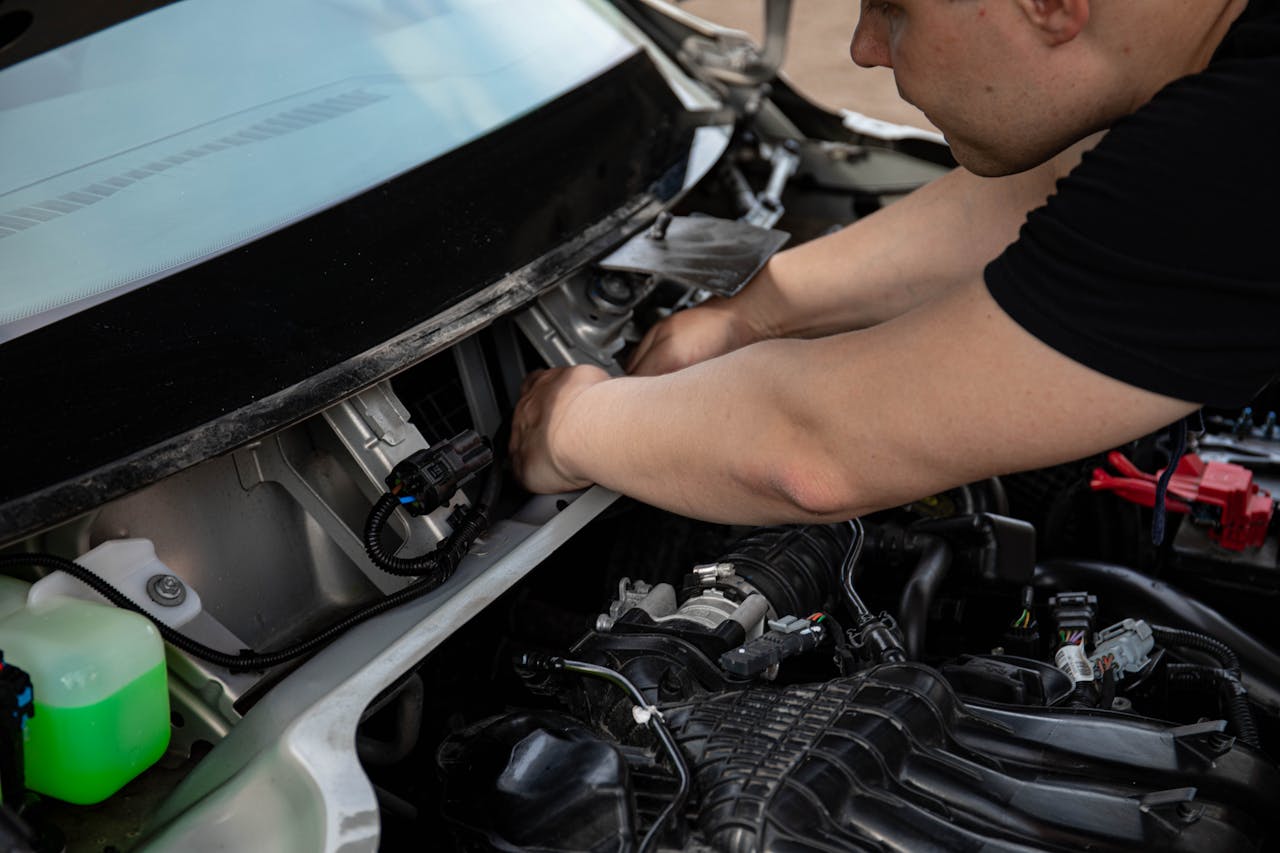
You bought the car because of the markings, the patina, the original details. The last thing you want is a detailer who pressure-washes the loom and softens the rubber, or a sandblaster who scores the polished alloy. The trouble is most cleaning options were built for daily drivers — fast, cheap, and mildly destructive. Concours preparation needs a different toolset entirely. Dry ice cleaning is one of the only methods that lifts decades of grime off original surfaces while leaving factory paint codes, build tags, period decals, and serial numbers exactly where they were stamped — visible, intact, and provenance-grade. We document every job. We test every sensitive surface. We never push pressure where pressure isn't safe.
Concours-grade restoration has different decision criteria than a daily-driver clean. Walk through the questions you actually need to answer.
Are factory paint codes, build tags, or period decals present and worth preserving?
Will the car be judged at concours or photographed for sale provenance?
Dry ice — concours pressure with photo log
Sample-test on inconspicuous areas first; 70-90 PSI for decal-bearing zones; full pre/post photo record for provenance. Schedule for a half-day on-site.
See this service →Dry ice — standard restoration pressure
No special photo log needed. 90-110 PSI on cast surfaces; original markings preserved at correct settings. 3-5 hours typical.
See this service →Conventional clean is fine
If there are no original markings to preserve, dry ice is overkill. A skilled detailer with degreaser and steam will get you a great result for less.
See this service →Will it lift my original decals?
No — we tune pressure for delicate areas. Original factory decals, VIN plates, build tags, paint codes and serial markings stay intact. We pre-photograph every marking and test on inconspicuous areas first.
How is this safer than steam cleaning?
Steam introduces water into connectors, looms and sealed cavities — water that takes weeks to fully migrate out, sometimes causing intermittent electrical faults months later. Dry ice is 100% dry and sublimates on impact.
Is it cheaper to just sand and respray?
For a daily driver, maybe. For a numbers-matching classic, sanding away original paint codes, factory texture and decals destroys the very thing that makes it valuable. Cleaning costs a fraction of restoration — and preserves provenance.
What's the difference between this and a 'detail'?
Detailing chemistries clean the surface; dry ice cleans into the surface. Hard-to-reach geometries (loom backs, between fins, behind bracketry) get the same attention as visible surfaces.
Free tools, downloads and offers most useful for your decision context.
50+ verified before/after projects across auto, restoration, food, marine, electrical, heritage.
Skip the quote form and go straight to a fixed quote within 24 hours.
New customers — your first concours-grade engine bay clean from $349.
Restore your engine bay to a factory-finish look — without water, chemicals, or tear-down.
Strip off years of road tar, oil and underbody grime without lifting the body.
A complete dry ice clean of the engine, underbody, body cavities and interior — restoration-grade.
Brake dust, tar and stubborn grime — gone, without acid or harsh wheel cleaners.
Premium auto enthusiast / restorer customers typically get a fixed quote within 24 hours of reaching out. Tell us about your specific situation.
Dry ice is 100% dry. Steam introduces water into connectors and looms. For original cars, dry ice is the only safe option — water-related faults often surface weeks after a steam clean and can mimic genuine electrical failures.
Yes. We pre-photograph every original marking, mask the most fragile, and use lower pressure (typically 70–90 PSI) for areas with original stampings or decals.
Yes. Body-off cleans are where dry ice shines — we can take the chassis back to a paint-ready state without abrasive damage in 1–2 days versus weeks of chemical stripping.
Yes. Every concours-grade job gets a photo log suitable for the car file — useful for resale provenance and show paperwork.
Most concours engine bays land $1,200–$2,500 depending on vehicle complexity, decal preservation requirements and add-ons (hand polish, plastic dressing). Send us a brief for postcode-specific pricing.
Tell us what you need cleaned. We come back with a fixed quote within 24 hours — and an exact estimate range while you wait.